One Thousand Pounds, No Receipts: The Trading Allowance Explained for 2026/27

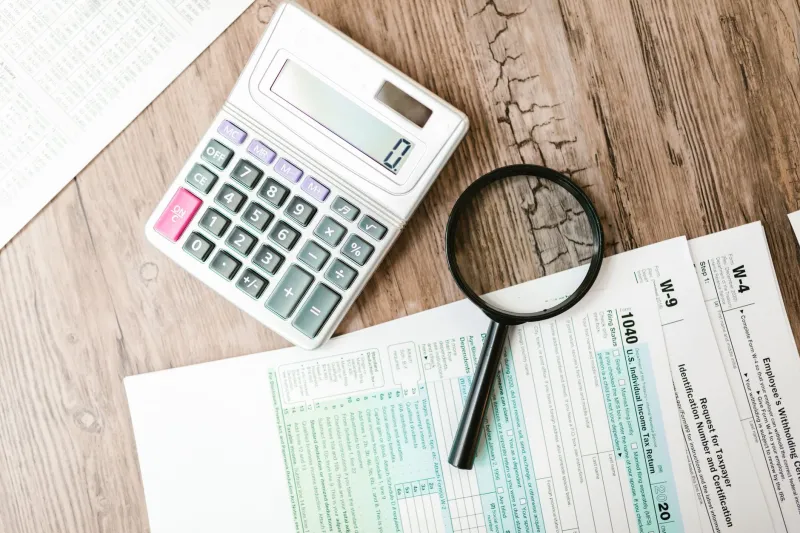
Photo: Reinhard Kirchner, CC BY-SA 3.0, via Wikimedia Commons
The allowance in one paragraph
The £1,000 trading allowance is an income tax relief for individuals with trading income. In 2026/27 it lets you deduct £1,000 from your gross trading receipts instead of deducting your actual expenses. If your gross trading income for the tax year is £1,000 or less, the allowance usually means you do not need to register for Self Assessment or pay income tax on that income, unless you have another reason to file. It is simple, but it is not automatic, and it is not always the best choice.
Who it is for
The allowance is aimed at sole traders, freelancers and people selling goods or services through online platforms where the activity amounts to trading. A side hustle that has crossed the hobby line, a small eBay or Vinted trading operation, or a part-time consultancy can all fit. The key word is individual. The allowance is not available to limited companies, and it cannot be claimed against your share of partnership profits. It is also separate from the £1,000 property allowance for rental income.
There is one £1,000 trading allowance per person per tax year, not one for every separate business. If you run two small trades, you do not get £2,000. You also cannot use the allowance to turn a trading profit into a loss.
The basic choice: allowance or expenses
When your gross trading income is more than £1,000, you have a choice. You can deduct your actual allowable expenses, or you can deduct the £1,000 allowance. You cannot do both against the same income. The allowance is not a £1,000 tax rebate; it reduces your taxable profit by £1,000.
A simple comparison helps. Suppose you sell handmade goods and your 2026/27 receipts are £4,000. Your allowable expenses are £2,500. Claiming expenses gives a profit of £1,500. Using the allowance gives a profit of £3,000. Here, expenses win by a wide margin.
Now suppose your receipts are £1,600 and your expenses are £200. Claiming expenses gives £1,400 profit. Using the allowance gives £600 profit. The allowance saves tax on £800 more profit. At the basic rate of 20%, that is £160 less income tax, before any other reliefs.
The rule of thumb is straightforward: if your allowable expenses are less than £1,000, the allowance will usually produce the lower taxable profit. If your expenses are more than £1,000, claiming expenses will usually be better. If they are close, do the arithmetic rather than guessing.
When the allowance is the better shortcut
It tends to suit people with low costs: a tutor working from home with few materials, a consultant with a laptop and a phone, or an online seller sourcing small batches of stock. It can also appeal because it removes the need to keep every expense receipt, although you should still keep records of your sales.
It is less suitable where you have real costs. A courier with fuel, insurance and vehicle repairs, or a retailer with significant stock costs, will often be better off claiming expenses. The same applies if you have capital allowances to claim on equipment. If you use the trading allowance, you cannot also claim expenses or capital allowances for that income.
Mistakes to avoid
The most common error is double-claiming. Some people deduct the £1,000 allowance and then deduct expenses as well. That is not allowed. You choose one method for the relevant income.
A second mistake is assuming the allowance covers National Insurance. It is an income tax relief, not a National Insurance exemption. Your National Insurance position depends on your profits and the usual thresholds.
A third is using the trading allowance against rental income. Property income has its own £1,000 property allowance, with different rules. A fourth is forgetting that gross income over £1,000 still brings you into Self Assessment even if the allowance reduces your taxable profit to nil. If your receipts are £1,200 and you use the allowance, your taxable profit may be £200, but you still need to declare the income.
Finally, do not confuse turnover with profit. The £1,000 test is based on gross trading income before expenses. A business with £20,000 of sales and £19,500 of expenses is not a £500 business for this purpose; its gross income is £20,000.
How to claim it
If your gross trading income is £1,000 or less and you have no other reason to complete a tax return, you generally do not need to tell HMRC. If you are already in Self Assessment, or you need to file for another reason, enter the trading allowance in the self-employment section of your return. For 2026/27, the online filing deadline is 31 January 2028. If you are newly self-employed and your gross income exceeds £1,000, register by 5 October 2027.
A quick decision rule
If gross trading income is £1,000 or less, the allowance usually removes the need to report the income. If gross income is above £1,000, compare your allowable expenses with £1,000. Claim expenses if they are higher; use the allowance if they are lower. Keep digital or paper records of your sales either way, and do not claim the allowance and expenses together.
Taxxa’s view is that the allowance is a useful simplification, not a universal winner. Used properly, it can save time and tax. Used carelessly, it can cost more than it saves.