Driveway Rentals and HMRC: When Parking Income Becomes Property Income in 2026/27
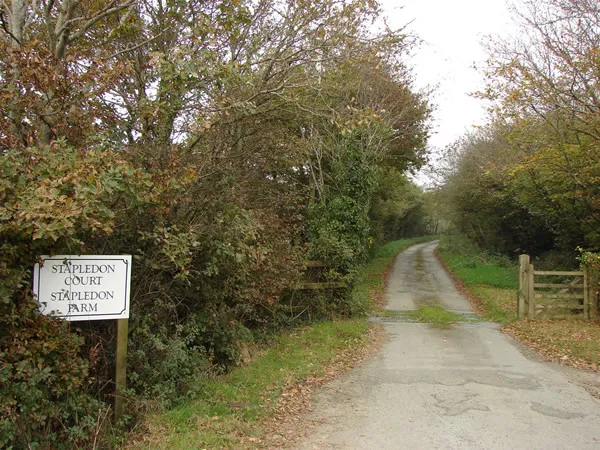
Photo: Robert Walden, CC BY-SA 2.0, via Wikimedia Commons
Driveways, garages and unused parking spaces have become a small but real source of income for many UK homeowners. A commuter may pay £80 a month to park near a station; a city-centre resident may let a space through an app. HMRC does not have a separate 'driveway tax'. Instead, the income usually falls within the property income rules, and that brings its own reporting obligations.
The amounts may be modest, but the tax treatment is not always obvious. A homeowner who rents out a parking space for the first time in 2026/27 needs to know whether the £1,000 property allowance covers the income, whether expenses would be more beneficial, and when a self assessment return is required.
The small-space income question
A driveway letting is rarely a full-scale property business. It may involve one space, a handful of regular users and little more than a listing on a platform. That does not make the income invisible. HMRC's property income rules apply to rent from land and property, and a parking space is land.
The label used by the platform does not determine the tax treatment. Whether the arrangement is described as 'rent', a 'licence fee' or a 'booking' is less important than what is actually being paid for: the right to use a piece of land.
Why HMRC calls it property income
Property income includes rent from houses, flats, rooms and land. A parking space or driveway falls within that broad description. There is no rent-a-room style relief for driveways, and the trading allowance is not the natural fit where the activity is simply letting land.
That distinction matters because the £1,000 property allowance is available for property income. If the activity were treated as a trade, the £1,000 trading allowance might be relevant instead. In most straightforward driveway cases, property income is the correct starting point.
The £1,000 property allowance in practice
For 2026/27, the property allowance remains £1,000. It is available to individuals with property income, and it is set against the gross amount received, not the profit.
If total gross property income is £1,000 or less, the allowance generally covers it. In that situation, you usually do not need to tell HMRC about the income, provided you have no other reason to file a return. If gross income is more than £1,000, you can choose to deduct the £1,000 allowance instead of deducting actual expenses. The taxable profit is then the gross income less £1,000.
The allowance is per person, not per property. If you own a parking space jointly with someone else, each owner has their own £1,000 allowance, subject to the beneficial ownership of the income. It also applies across your total property income, not separately to each space or tenant.
Choosing between the allowance and expenses
The £1,000 property allowance is simple, but it is not always the best option. You cannot deduct the allowance and actual expenses for the same income. You must choose one route.
Suppose you receive £2,400 in parking income in 2026/27. Using the allowance gives taxable property income of £1,400. If you have allowable expenses of £900, deducting expenses instead gives taxable income of £1,500. On those figures, the allowance is slightly better.
If expenses are higher, the expenses route may win. For example, gross income of £3,000 with allowable expenses of £2,200 produces £800 of taxable profit, which is better than the £2,000 profit left after the allowance. The right choice depends on the numbers, so keep evidence for both possibilities where the position is close.
What counts as an allowable expense?
Allowable expenses are costs incurred wholly and exclusively for the property income. For a driveway or parking space, that might include advertising, platform commission, cleaning, minor repairs, maintenance of the surface, signage, or insurance specifically connected with the letting.
Capital costs need care. Resurfacing a driveway or building a new parking bay is generally capital expenditure, not a routine repair. Repairs that restore the property to its previous condition are more likely to be allowable, but improvements are treated differently. If a project is significant, keep the invoices and take advice rather than assuming the whole cost is deductible.
You cannot claim expenses that are private. If a driveway is used by the household as well as by paying parkers, only the business proportion of shared costs may be allowable. A reasonable apportionment is needed, not an arbitrary estimate.
Record-keeping that stands up to scrutiny
Keep a simple record of each booking or tenancy: the date, the amount received, the payer, any platform fees and the space used. Platform statements are useful, but they are not a substitute for your own records.
Retain receipts for expenses, bank statements showing income and copies of any insurance or licence arrangements. Photographs of the space before and after repairs can help support a claim. If you use the property allowance, you still need records to show that gross income is within the allowance or to calculate the taxable amount correctly.
Property income records should generally be kept for at least five years after the 31 January filing deadline for the relevant tax year. For 2026/27, that means keeping records well into the next decade.
Reporting on self assessment
If your gross property income exceeds £1,000 and you have taxable property profit, you will usually need to report it through self assessment. That remains true even if you use the £1,000 allowance to reduce the profit. The allowance reduces the taxable amount; it does not necessarily remove the reporting obligation.
If your gross income is £1,000 or less, the allowance generally means there is nothing to report, unless you have another reason to file a return. If you already file a return for employment, pension or other income, check whether the parking income needs to be included. Do not assume that a small amount can be left out simply because it is small.
Joint owners should report their share of the income in line with their beneficial entitlement. A platform may pay one bank account, but that does not determine the tax position. Each person's share, and each person's allowance, should be considered separately.
Joint owners, platforms and practical pitfalls
The rise of parking apps has made letting a space easier, but it has not changed the underlying tax rules. A platform may provide an annual statement, but the responsibility for reporting remains with the homeowner.
Common mistakes include treating the £1,000 allowance as a tax-free bonus on top of expenses, claiming the full cost of a shared driveway, ignoring occasional one-off bookings, and assuming that cash or small platform payments are automatically tax-free. Another pitfall is mixing parking income with other rental income without checking how the allowance applies across the total.
A sensible year-end routine
At the end of 2026/27, add up the gross parking income, list the expenses and compare the allowance route with the expenses route. Keep the calculation with your records. If the profit is taxable, include it in your self assessment return by the filing deadline.
The sums involved may be small, but the rules are manageable. A driveway letting is not outside the tax system simply because it is arranged through an app or paid in modest amounts. Clear records and a simple year-end check will keep a micro-landlord position on the right side of HMRC.