Dividends Just Over £1,000: The Filing Trap Facing Small Share Portfolios in 2026/27
Many UK investors read the £1,000 dividend allowance as a simple promise: the first £1,000 of dividends is tax-free and can be left off the tax return. The first half of that sentence is broadly right; the second half is where problems begin. In 2026/27, the allowance still exists at £1,000, but it operates as a zero rate of tax rather than an exemption from reporting. That distinction matters most to people with modest share portfolios, reinvested dividends, or dividends from a family company.
What the dividend allowance actually does
The dividend allowance is not a separate slice of income that sits outside the tax system. Dividends covered by the allowance are taxed at 0%, but they still count as dividend income. Once total dividends exceed £1,000 in the 2026/27 tax year, the excess is generally taxable at the dividend rates: 8.75% for basic-rate taxpayers, 33.75% for higher-rate taxpayers and 39.35% for additional-rate taxpayers. Those rates apply after the personal allowance and in line with the investor's income tax band.
A simple example helps. Suppose a basic-rate employee receives £1,100 of dividends from shares held outside an ISA in 2026/27. The first £1,000 is covered by the allowance. The remaining £100 is taxable at 8.75%, which is £8.75. The tax is small, but the £1,100 total exceeds the allowance, so the dividend income generally needs to be reported through Self Assessment.
Because dividends remain income, they can also affect matters beyond the dividend tax itself. They count towards adjusted net income, which can reduce the personal allowance once income exceeds £100,000. They can affect the High Income Child Benefit Charge and student loan repayments. The allowance does not make the income invisible for those purposes.
When a Self Assessment return is needed
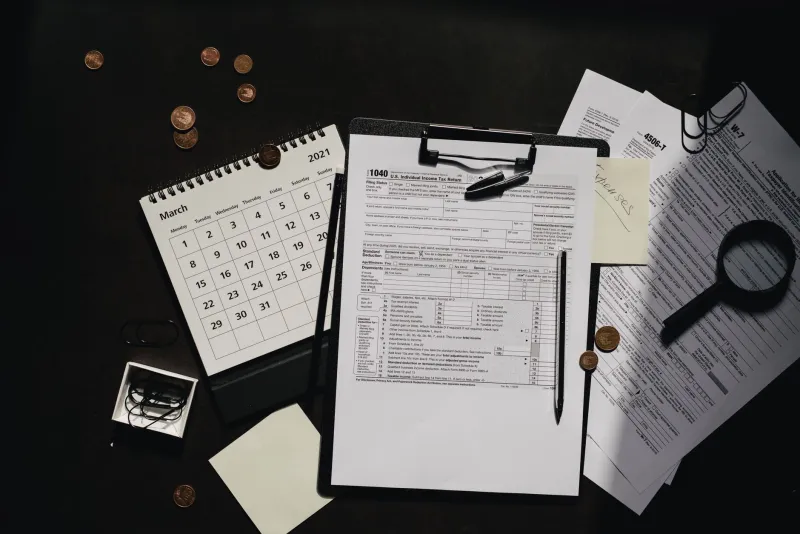
For 2026/27, if total dividend income exceeds £1,000, HM Revenue & Customs (HMRC) generally expects it to be reported through Self Assessment. This applies even where the tax payable is modest or where other income uses up the personal allowance. The £1,000 figure is a total across all dividend sources, not a separate allowance for each company, platform or shareholding.
If total dividends are £1,000 or less, there is usually no need to file a return solely because of dividends. No dividend tax is due on that amount. However, if a return is already required for another reason, such as self-employment, rental income or high-income child benefit, the dividends should still be included. If HMRC issues a notice to file, the return must be completed even where no tax is expected.
Investors who are not already in Self Assessment and who need to report dividends above £1,000 for 2026/27 should normally notify HMRC by 5 October 2027. The online return and any tax due are generally payable by 31 January 2028. For anyone settling 2025/26 dividends, the equivalent deadline is 31 January 2027.
The aggregation trap for small portfolios
A portfolio does not need to be large to cross the £1,000 line. A holding worth £30,000 yielding 3.5% would produce £1,050 of dividends in a year. Several FTSE holdings, a corporate bond fund with dividend distributions, or a modest portfolio built through a workplace share scheme can reach the same point. Reinvested dividends still count; buying more shares with the payout does not make the dividend exempt.
Dividends inside an ISA are exempt and do not count towards the £1,000 allowance. Dividends within a pension are also outside the immediate tax charge. The reporting issue arises for shares and funds held outside those shelters, including a general investment account. Dividends from a company in which the investor is a shareholder-director also count. In that situation, the company's dividend paperwork and board minutes should align with the amounts reported on the personal return.
Foreign dividends need attention too. They may be paid in another currency and may have foreign tax withheld, but they still form part of the total dividend figure. A foreign tax credit may be available, but the income should not be omitted simply because it arrived through an overseas platform.
Selling shares is a separate question
The dividend allowance does not cover capital gains. An investor may receive less than £1,000 in dividends and still have a reporting obligation if shares are sold and the gain exceeds the annual capital gains tax exempt amount, which is £3,000 for 2026/27. There is also a reporting requirement where sale proceeds exceed £50,000, even if the gain is below the exempt amount. Dividends and disposal proceeds should be tracked separately.
Practical record-keeping
Most investment platforms issue an annual tax certificate showing dividends and distributions. That certificate is a useful starting point, but it should be checked against contract notes and dividend vouchers, particularly where holdings were bought or sold during the year. Accumulation funds can be easy to overlook because no cash arrives; the notional distribution still counts.
Where dividend income is close to £1,000, a simple running total is worthwhile. Crossing the threshold by a small amount can trigger a filing obligation that feels disproportionate to the tax at stake. Estimating the likely tax and setting money aside avoids a January surprise.
For future years, an ISA wrapper can remove dividend income from the reporting calculation, although moving existing shares into an ISA may involve a sale and should be considered with capital gains in mind. The central point for 2026/27 is simpler: the £1,000 dividend allowance reduces tax, but it does not always remove the need to tell HMRC about the income.