Crypto Gains and the 31 January 2027 Filing Date: A Practical Reporting Map
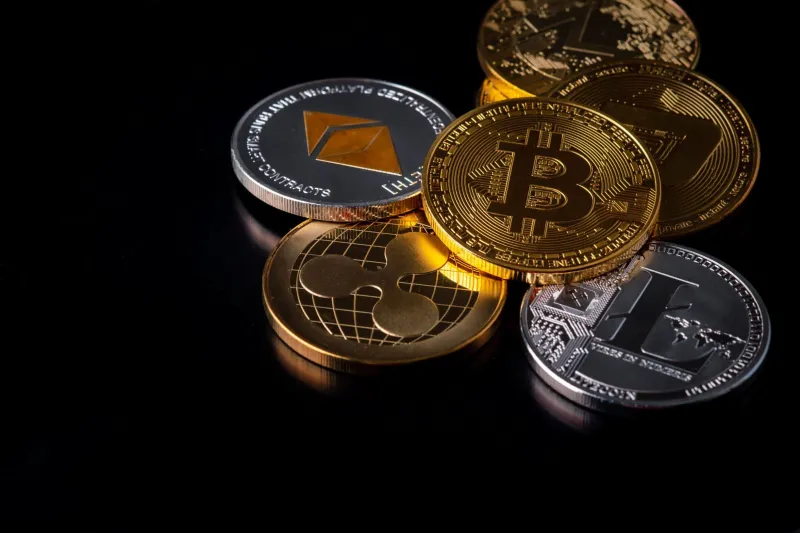
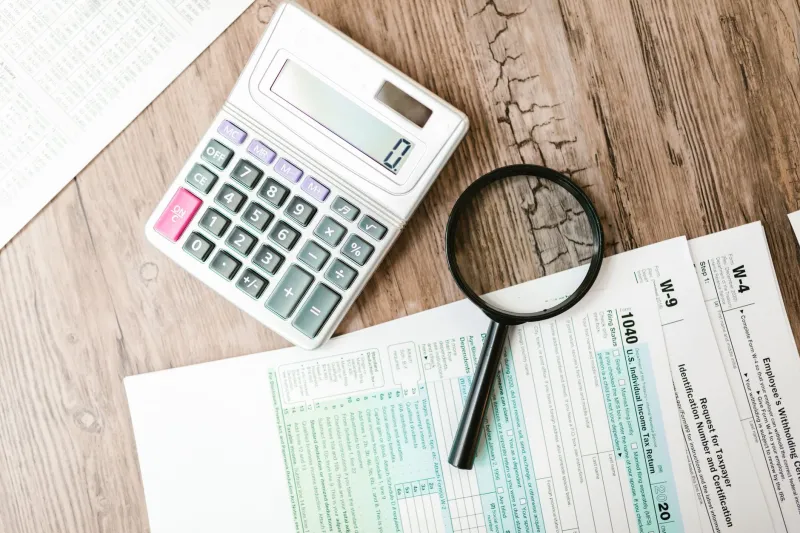
Photo: cryptocurrency tax records laptop calculator UK paperwork, via blockonomi.com
The 31 January 2027 deadline is not a crypto deadline invented by HMRC. It is the normal online self assessment filing date for the 2025/26 tax year. For investors, it matters because crypto disposals are not tax-free simply because they happen on an exchange. If you sold, swapped, spent or gifted crypto in the year, you may have a capital gain to report. The same framework will apply to 2026/27 disposals, although that return is not due until 31 January 2028.
Crypto is property, not currency
For capital gains tax, HMRC treats cryptoassets as property. Holding them is not a disposal. Buying with sterling is not a disposal either. The chargeable events usually arise when you sell crypto for sterling, exchange one cryptoasset for another, use crypto to pay for goods or services, or give it away to someone other than a spouse or civil partner.
Swapping bitcoin for ether is a disposal of the bitcoin. Moving coins between your own wallets is not. Converting a token into a stablecoin is still a disposal of the token you gave up. Each disposal needs to be valued in sterling at the time it happens.
The disposal events to look for
A useful starting point is to list every transaction in the tax year and mark the ones that are disposals. The common ones are:
- Selling crypto for pounds.
- Trading one cryptoasset for another.
- Spending crypto on goods or services.
- Gifting crypto, unless the gift is to a spouse or civil partner.
- Receiving crypto as payment for work or sales, which may be income rather than a capital gain.
If you buy and sell frequently, use sophisticated tools, or act in an organised way, HMRC may view the activity as trading rather than investment. Trading profits are subject to income tax and National Insurance, not capital gains tax. The distinction matters because the rules, rates and reporting pages are different.
Pooling: same day, 30 days, and the main pool
Most investors do not buy one coin at one price and sell it once. They buy in batches, sell in batches, and sometimes trade between coins. HMRC uses pooling rules to work out the cost of what was sold.
The same-day rule applies first. If you acquire crypto of the same type on the same day as a disposal, the acquisition is matched with the disposal. Next comes the 30-day rule. If you dispose of crypto and then acquire the same type within the next 30 days, the later acquisition can be matched with the earlier disposal. That can change the gain, especially if you sell and then buy back after a price fall.
Anything left goes into the section 104 pool. This is a running pool of all your holdings of the same cryptoasset, with the total allowable cost spread across the units. When you sell part of the pool, you use the pool's average cost for the units disposed of.
The £3,000 annual exempt amount
For 2026/27, the capital gains tax annual exempt amount is £3,000. It is not a allowance you can carry forward. If your net gains are below it, you may have no CGT to pay, but reporting can still be required if your proceeds are large enough.
Crypto gains are charged at the CGT rates for other assets. For 2026/27, that means 18% within the basic rate band and 24% above it, depending on your income and gains. The annual exempt amount is applied before those rates.
When you must report
You need to report crypto disposals on your self assessment return if your total proceeds from all disposals in the tax year exceed £50,000, or if your total gains exceed the £3,000 annual exempt amount. This applies even if no tax is due. If you have a loss, you may still want to report it so that it can be used against future gains.
Use the capital gains summary pages, usually known as SA108, to report the figures. If you are not already in self assessment, register by 5 October after the end of the tax year. For 2026/27, that date is 5 October 2027. If you have missed a registration date for an earlier year, register now and file as soon as you can.
A filing checklist for 31 January 2027
- Download or export every exchange statement for the tax year. Do not rely on memory or a single app screen.
- List each disposal date, the cryptoasset, the number of units, the proceeds in sterling, and the allowable costs.
- Convert foreign currency values into sterling using a reasonable exchange rate at the date of the transaction. Keep a note of the source you used.
- Apply the same-day rule, the 30-day rule and the section 104 pool in the correct order.
- Deduct allowable acquisition and disposal costs, including exchange fees where they are part of the transaction.
- Net your gains and losses for the year, then apply the £3,000 annual exempt amount.
- Check whether you meet the £50,000 proceeds test or the gains test. If you do, complete the capital gains pages.
- File online by 31 January 2027 for the 2025/26 return and pay any tax due by the same date. For 2026/27, the equivalent date is 31 January 2028.
- Keep your records for at least five years after the filing deadline.
Common traps
One of the most common mistakes is ignoring crypto-to-crypto swaps. Another is using dollar values and forgetting to convert to sterling. A third is treating wallet transfers as disposals when they are only movements of the same asset. Investors also sometimes forget that fees reduce gains or increase losses, or that a loss must be reported if they want to preserve it.
The deadline is easier to meet if you treat record keeping as a monthly task rather than an annual one. Taxxa's plain-English view is that the return should be a summary of records you already have, not a reconstruction job. If you filed for 2025/26 by 31 January 2027 and you are already trading in 2026/27, start the next record now.